Hybrid power generation
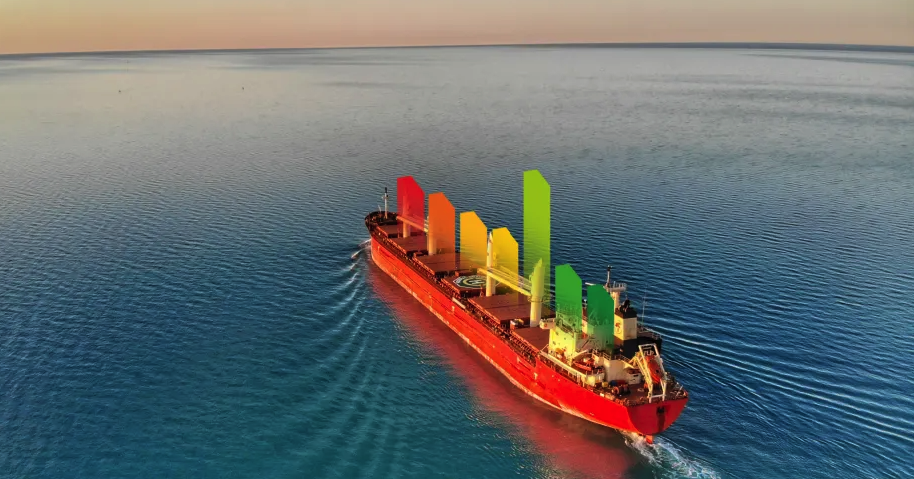
A solar and wind hybrid power generation system installed on a bulk carrier, approved by a designated classification society.
Decorative chart. It shows a passage plan crossing the Bay of Biscay, passing the Dover Strait and running north-east through the North Sea emission control area to an EU port call. That is the voyage GreenETS reports on. No information here is missing from the text below.
Compliance software is one half of the work. The other half is engineering that takes fuel off the curve, designed, installed and maintained on vessels in service.
Each figure below is the reduction projected for the vessel the technology was installed on, not a catalogue number.
A solar and wind hybrid power generation system installed on a bulk carrier, approved by a designated classification society.
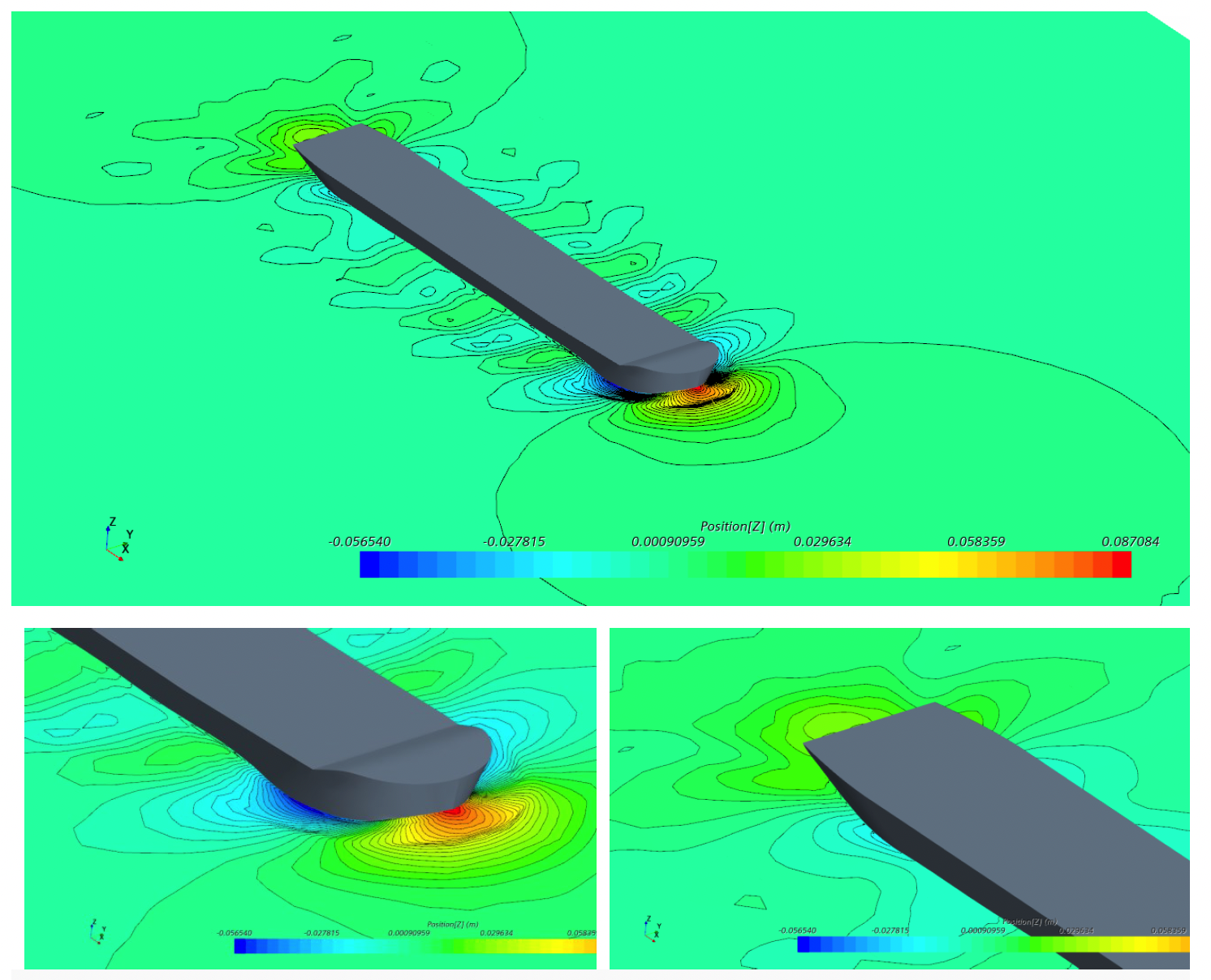
A Mewis Duct designed and installed on a bulk carrier, reducing drag and improving propulsion efficiency.
PBCF designed and installed on a bulk carrier, raising the efficiency of the propulsion system.

New technology carried from the design stage through installation and on into maintenance.
At Greenships, we are thrilled to announce our groundbreaking project that has received approval from a designated classification society, marking a significant milestone in our commitment to revolutionizing the maritime industry and reducing carbon dioxide emissions. This pioneering initiative involves the installation of a state-of-the-art hybrid power generation system on a bulk carrier vessel, harnessing the power of both solar and wind energy to achieve an impressive 5% annual reduction in carbon dioxide emissions.
The approval from the classification society validates the viability and adherence to rigorous safety and environmental standards in our project. This endorsement reinforces our dedication to sustainability and responsible maritime practices. The hybrid power generation system not only showcases the potential of renewable energy solutions in commercial shipping but also sets a new benchmark for environmentally conscious operations.
By leveraging solar and wind resources at sea, we are not merely meeting industry regulations but exceeding them, demonstrating our leadership in adopting technologies that have a positive impact on the planet. Greenships remains at the forefront of driving change in the shipping sector, offering tangible solutions that align with our vision of a greener, more resilient maritime ecosystem.
As we move forward with this approved and transformative project, we invite collaboration from industry stakeholders, partners, and environmental advocates. Together, we can accelerate the shift towards sustainable shipping practices and create a lasting legacy for a cleaner, healthier planet.
Where artificial intelligence and new technology meet the maritime industry.
At Greenships, we are thrilled to unveil a groundbreaking project that exemplifies our commitment to reducing carbon dioxide emissions in the maritime industry. Our latest initiative involves the installation of a Mewis Duct on a bulk carrier vessel, a technology that is projected to achieve an impressive 7% annual reduction in carbon dioxide emissions.
Designed and installed by our dedicated project team, the Mewis Duct represents a leap forward in enhancing the energy efficiency of maritime operations. This innovative device, characterized by its streamlined design and hydrodynamic efficiency, optimizes the vessel’s fuel consumption by reducing drag and improving overall propulsion efficiency.
Our project team’s expertise has played a pivotal role in ensuring the seamless integration of the Mewis Duct into the bulk carrier. From the initial design phase to the meticulous installation process, every step has been executed with precision and a focus on achieving optimal environmental outcomes.
This project not only showcases our technical prowess but also underscores our commitment to sustainable shipping practices. The 7% annual reduction in carbon dioxide emissions sets a new standard for eco-friendly maritime operations, contributing significantly to our overarching goal of a cleaner, healthier planet.
As we celebrate the successful implementation of this project, Greenships invites collaboration and partnerships from industry stakeholders, acknowledging that collective efforts are essential to drive positive change in the maritime sector. Together, we can navigate towards a future where every voyage leaves a lighter ecological footprint on our oceans.
Where maritime excellence and sustainable technology converge.
At Greenships, we are excited to announce another transformative project that demonstrates our unwavering commitment to sustainability in the maritime sector. Our latest endeavor focuses on enhancing the energy efficiency of a bulk carrier vessel by designing and installing Propeller Boss Cap Fins (PBCF). This initiative, spearheaded by our proficient project team, is projected to achieve a remarkable 7% annual reduction in carbon dioxide emissions.
The journey began with the meticulous design phase, where our project team leveraged cutting-edge technology to optimize the integration of Propeller Boss Cap Fins. This stage involved a careful analysis of the vessel’s propulsion system, ensuring seamless compatibility and efficiency gains. Our commitment to precision and innovation was evident as the design seamlessly incorporated the PBCF into the vessel’s architecture.
The installation phase, handled with expertise by our dedicated project team, marked a crucial step towards realizing the environmental benefits of the PBCF technology. With a focus on precision engineering, the installation process was executed with a commitment to achieving optimal performance gains. Every aspect, from alignment to fine-tuning, was meticulously overseen to ensure the successful integration of Propeller Boss Cap Fins into the bulk carrier.
This project stands as a testament to Greenships’ dedication to eco-friendly maritime practices and technical excellence. The projected 7% annual reduction in carbon dioxide emissions not only reflects our commitment to reducing the environmental impact of shipping but also sets a new standard for propulsion efficiency.
As we celebrate the successful completion of this project, Greenships invites collaboration and partnerships from industry stakeholders who share our vision for a sustainable maritime future. Together, let’s navigate towards cleaner seas and a brighter, more efficient tomorrow.
Tell us your fleet size, vessel types and which regulations you are reporting under this year.
Contact us